boutique hotels in san francisco sets the stage for this enthralling narrative, offering readers a glimpse into a story that is rich in detail and originality from the outset. These hotels provide an intimate and personalized experience, distinct from the standard offerings of traditional hotels. With their unique designs, individual character, and service tailored to guests’ preferences, boutique hotels have become a favored choice for travelers seeking both comfort and a taste of local culture.
Throughout this exploration, we will delve into the defining characteristics of boutique hotels, uncover some of the most popular establishments in the city, and discuss the experiences that make staying in such unique venues a memorable choice. From their historical evolution to current trends in design and amenities, boutique hotels in San Francisco reflect the city’s vibrant spirit and rich cultural tapestry.
Overview of Boutique Hotels in San Francisco

Boutique hotels are defined as small, stylish lodging establishments that offer personalized services and distinctive design elements, often reflecting the local culture and community. These hotels typically feature a unique aesthetic, intimate ambiance, and often cater to a niche market, providing guests with a tailored experience that differs significantly from larger, chain hotels.The evolution of boutique hotels in San Francisco can be traced back to the late 20th century, during which time the city began to embrace a more eclectic and artistic approach to hospitality.
As travelers sought unique and memorable experiences, a number of small hotels emerged, characterized by their individualized service and attention to detail. The rise of boutique hotels in San Francisco paralleled the city’s growth as a cultural hub, reflecting its diverse neighborhoods and artistic spirit. This movement has led to a vibrant array of boutique hotels spread throughout various districts, from the Mission District to Union Square, each offering a distinct flavor of San Francisco.
Characteristics of Boutique Hotels
Boutique hotels possess several distinct characteristics that set them apart from traditional hotels. Understanding these features is essential for recognizing the unique value proposition they offer. The following points highlight the fundamental traits of boutique hotels:
- Personalized Service: Staff at boutique hotels are typically trained to provide a high level of personalized service, ensuring that each guest’s needs are met with care and attention.
- Unique Design: Each boutique hotel often showcases a unique design theme or style that reflects the local culture, art, or history, creating an immersive experience for guests.
- Intimate Atmosphere: With fewer rooms than traditional hotels, boutique hotels foster an intimate atmosphere that allows for a more relaxed and personal guest experience.
- Local Flavor: Many boutique hotels emphasize local culture by incorporating regional art, cuisine, and experiences, offering guests a taste of the city’s character.
- Community Engagement: Boutique hotels often engage with the local community, supporting nearby businesses and initiatives, thereby enhancing the overall guest experience.
“Boutique hotels aim to create a home away from home, providing guests with comfort, style, and a sense of belonging.”
Differences Between Boutique Hotels and Traditional Hotels
When comparing boutique hotels to traditional hotels, several key differences emerge that distinguish the two categories of accommodations. Understanding these differences can aid travelers in selecting the right type of lodging for their needs. The following points summarize the major contrasts:
- Size: Boutique hotels are generally smaller, often housing fewer than 100 rooms, whereas traditional hotels can range from large chains with hundreds of rooms to localized establishments with a greater capacity.
- Atmosphere: Boutique hotels emphasize a unique and intimate atmosphere, while traditional hotels often provide a more standardized and corporate environment.
- Service Style: The service in boutique hotels is typically more personalized and attentive, contrasting with the often more impersonal service found in larger, traditional hotels.
- Pricing Structure: Boutique hotels may have a diverse pricing structure, influenced by design and location, while traditional hotels often offer more predictable pricing models.
- Branding: Boutique hotels usually operate independently or under smaller groups, focusing on individuality, whereas traditional hotels are often part of larger hotel chains with specific branding standards.
“The essence of boutique hotels lies in their ability to fuse style with substance, providing guests with memorable experiences that reflect the best of their surroundings.”
Popular Boutique Hotels in San Francisco
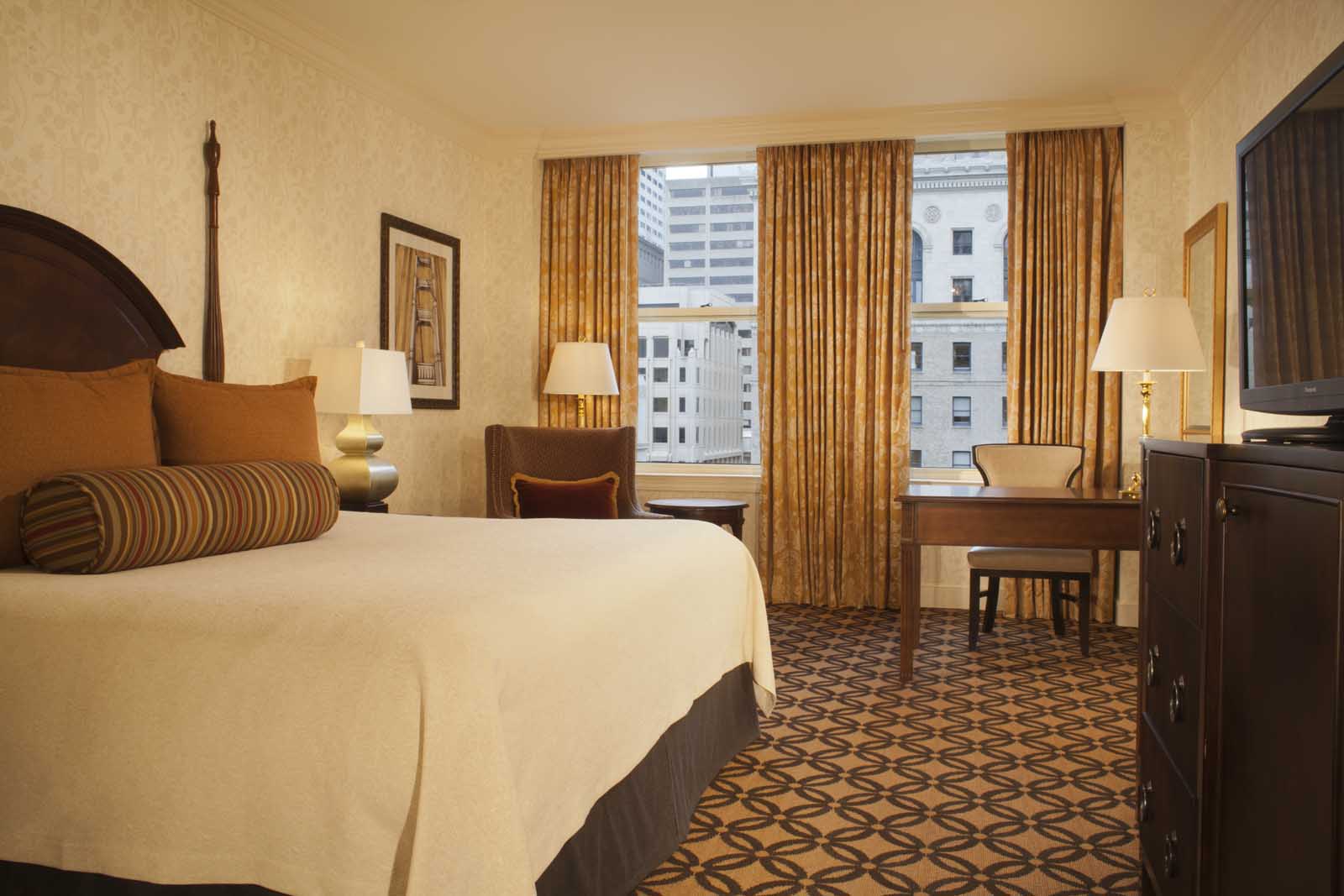
San Francisco is renowned for its diverse culture and vibrant neighborhoods, making it a prime destination for travelers seeking unique lodging experiences. Boutique hotels in the city are not just places to stay; they embody local character and charm, offering personalized services that elevate the guest experience. Here, we explore some of the most popular boutique hotels in San Francisco, each distinguished by their unique features and exceptional hospitality.
Top-rated Boutique Hotels
The following list highlights some of the most acclaimed boutique hotels in San Francisco. Each hotel has been selected for its distinctive attributes that cater to various traveler needs and preferences.
- Hotel Zephyr
-Located near Fisherman’s Wharf, this nautical-themed hotel offers vibrant, whimsically designed rooms with stunning bay views. A focal point is the outdoor fire pits and game area, perfect for socializing in the evenings. - The Inn at Union Square
-This elegant hotel offers a luxurious yet intimate experience. Its unique selling point is the complimentary evening wine reception, providing guests a chance to mingle and enjoy local wines in a cozy atmosphere. - Hotel Vitale
-Known for its eco-friendly design, this hotel features a rooftop terrace with breathtaking views of the Bay Bridge. Guests can indulge in spa treatments and enjoy organic cuisine at the on-site restaurant. - The Marker
-A blend of modern luxury and historical details, this hotel offers a vibrant lobby filled with art. The complimentary nightly wine hour is a highlight, allowing guests to unwind while appreciating the local art scene. - Argonaut Hotel
-Housed in a historic warehouse, the Argonaut boasts a maritime theme that reflects its location near the waterfront. Its unique feature is the in-room amenities, which include local artisan products and nautical decor.
Comparison of Amenities, Pricing, and Locations, Boutique hotels in san francisco
The following table summarizes key amenities, pricing, and locations of the featured boutique hotels, aiding potential guests in making informed decisions.
| Hotel Name | Amenities | Pricing (Approx.) | Location |
|---|---|---|---|
| Hotel Zephyr | Outdoor fire pits, game area, free Wi-Fi | $150 – $300 per night | Fisherman’s Wharf |
| The Inn at Union Square | Complimentary breakfast, evening wine reception, free Wi-Fi | $200 – $400 per night | Union Square |
| Hotel Vitale | Spa services, rooftop terrace, organic restaurant | $250 – $500 per night | Embarcadero |
| The Marker | Art-filled lobby, nightly wine hour, fitness center | $200 – $450 per night | Union Square |
| Argonaut Hotel | In-room nautical decor, local artisan products, free Wi-Fi | $250 – $550 per night | Fisherman’s Wharf |
The Experience of Staying in a Boutique Hotel: Boutique Hotels In San Francisco
Staying in a boutique hotel offers guests a distinctive and memorable experience that goes beyond traditional lodging. These hotels are often defined by their unique character, intimate atmosphere, and personalized service, allowing guests to truly immerse themselves in the local culture. Guests can expect a range of amenities and services tailored to enhance their stay, including bespoke room designs, curated decor, and personalized guest experiences.
Boutique hotels typically feature fewer rooms than standard hotels, which fosters a more intimate environment where staff can cater to individual needs. This direct interaction often results in memorable interactions, where guests may receive recommendations for local attractions or dining options based on their preferences.
Personalized Service and Unique Offerings
The hallmark of boutique hotels is their commitment to providing personalized service. Staff members often go above and beyond to ensure that each guest’s stay is exceptional. This may include:
- Tailored Welcome Amenities: Upon arrival, guests may be greeted with personalized welcome gifts, such as local snacks, handwritten notes, or custom cocktails tailored to their tastes.
- Concierge Services: Boutique hotels typically offer dedicated concierge services that can assist with reservations, transportation arrangements, and local experiences, ensuring guests get the most out of their stay.
- Unique Room Features: Rooms are often decorated with local art, vintage furnishings, and themed decor that reflect the surrounding area, creating a distinct and immersive atmosphere.
In addition to personalized service, many boutique hotels feature unique themes that enhance the overall experience. For instance, the Hotel Zephyr in San Francisco embraces a playful nautical theme, complete with vibrant decor and interactive games on the waterfront. Guests can enjoy a lively atmosphere while being steps away from iconic attractions like Pier 39 and Fisherman’s Wharf.Another example is the Hotel Bohème, which captures the essence of the bohemian culture of the North Beach neighborhood.
The hotel features vintage-style decor that pays homage to the literary and artistic history of the area, providing guests with an authentic taste of San Francisco’s artistic heritage.In summary, staying in a boutique hotel offers guests a unique blend of personalized service and distinct thematic experiences that create unforgettable memories and a deep connection to the locale.
Benefits of Choosing Boutique Hotels

Staying in a boutique hotel offers distinct advantages over larger hotel chains, making it a preferred choice for many travelers. These hotels often provide unique experiences that reflect the local culture and charm, allowing guests to immerse themselves fully in their surroundings.Boutique hotels play a vital role in enhancing the local economy and cultural landscape. They often source their goods and services from local businesses, thereby supporting artisans, farmers, and other small enterprises.
This creates a sense of community and encourages sustainable tourism practices. Guests can expect personalized service and attention that larger hotel chains may struggle to offer due to their standardized processes.
Top Benefits for Travelers
Choosing a boutique hotel can significantly enhance your travel experience. Here are the top five benefits to consider:
- Unique Character: Each boutique hotel often reflects the personality of its location, featuring distinctive architecture, decor, and ambiance that provide an authentic experience.
- Personalized Service: With fewer rooms and guests, boutique hotels can offer tailored services, ensuring that each visitor feels special and valued throughout their stay.
- Local Culture and Community: Guests have the opportunity to engage with the local culture more intimately, often through curated experiences or partnerships with local businesses.
- Quality Over Quantity: Boutique hotels typically focus on providing high-quality amenities and services, enhancing comfort and satisfaction for guests.
- Support for Local Economies: By choosing boutique hotels, travelers contribute directly to the local economy, fostering the growth of small businesses and local artisans.
Trends in Boutique Hotel Design and Amenities
The boutique hotel sector is continuously evolving, driven by a desire for unique experiences and personalized service. This evolution reflects broader trends in interior design, technology integration, and the introduction of innovative amenities. As boutique hotels aim to distinguish themselves from traditional accommodations, they embrace creativity and functionality in their offerings.Current trends in interior design for boutique hotels emphasize individuality and local culture.
This approach transforms hotel spaces into immersive environments that resonate with the local community and heritage. Designers are increasingly focusing on the use of sustainable materials and eco-friendly practices, which not only enhance aesthetic appeal but also promote environmental responsibility.
Innovative Interior Design Elements
Boutique hotels are characterized by their unique and thoughtful design elements that create an inviting atmosphere. Key trends include:
- Local Art Integration: Many boutique hotels showcase artwork from local artists, providing guests with a glimpse into the region’s culture. This not only beautifies the space but also supports the local creative community.
- Open-Concept Layouts: Modern boutique hotels often feature open spaces that encourage social interaction, with communal areas designed for relaxation and networking.
- Statement Furniture: Bold, statement pieces of furniture are increasingly used to create focal points in rooms and public areas, enhancing the overall aesthetic of the hotel.
- Biophilic Design: Incorporating natural elements such as plants, water features, and natural light fosters a serene environment that connects guests with nature.
Technology Integration in Guest Experiences
Technology is an essential component of the contemporary boutique hotel experience. Hotels are adopting advanced technology solutions to enhance guest comfort and convenience. The integration of smart technology allows guests to control room features such as lighting, temperature, and entertainment through mobile applications.Some notable technological advancements include:
- Keyless Entry Systems: Guests can access their rooms using smartphones, eliminating the need for physical keys and enhancing security.
- Personalized Room Controls: Smart devices enable guests to customize their environment according to personal preferences, such as adjusting the lighting or temperature easily.
- Virtual Concierge Services: AI-driven chatbots and mobile apps assist guests in accessing hotel services, making reservations, and receiving personalized recommendations.
Innovative Amenities Enhancing the Experience
Boutique hotels set themselves apart by offering innovative amenities that enhance the overall guest experience. These amenities often reflect the unique character of the hotel while providing added value to guests.Examples of innovative amenities include:
- Wellness Programs: Many boutique hotels now offer wellness experiences, such as yoga classes, spa treatments, and wellness cuisine, catering to health-conscious travelers.
- Unique Dining Experiences: On-site restaurants with locally sourced menus and innovative culinary concepts provide guests with an authentic taste of the region.
- Curated Local Experiences: Boutique hotels often collaborate with local businesses to offer guests curated experiences, such as guided city tours, art classes, or food tastings that immerse them in the local culture.
- Pet-Friendly Amenities: Recognizing the increasing number of travelers with pets, some boutique hotels provide special services for furry companions, including pet beds, treats, and grooming services.
Tips for Booking a Boutique Hotel in San Francisco
Booking a boutique hotel in San Francisco can be an exciting endeavor, offering travelers unique accommodations that reflect the city’s vibrant culture and charm. To enhance your experience, it is essential to approach your booking with thoughtful consideration. This section provides critical tips to ensure a memorable stay, focusing on various aspects that can influence your choice of boutique lodging.
Checklist for Choosing a Boutique Hotel
When selecting a boutique hotel, it is vital to establish specific criteria that align with your travel needs. The following checklist can serve as a guide:
- Location: Evaluate proximity to attractions, dining, and transportation options.
- Style and Ambiance: Consider the hotel’s unique design aesthetic and whether it matches your preferences.
- Amenities: Identify essential amenities such as Wi-Fi, breakfast options, fitness facilities, and pet policies.
- Reviews: Research guest reviews on reputable travel sites to gauge satisfaction and service quality.
- Price Range: Set a budget and compare prices across different platforms for the best deals.
- Special Offers: Look for packages that include additional perks, such as complimentary meals or spa services.
Best Times of Year to Book Boutique Accommodations
Timing can significantly affect the availability and pricing of boutique hotels in San Francisco. The ideal periods for booking typically align with the city’s tourism trends:
- Off-Peak Seasons: Consider visiting during the fall (September to November) or spring (March to May) when prices may be lower, and crowds thinner.
- Major Events: If your travel coincides with local events, such as the San Francisco International Film Festival or the Chinese New Year Parade, book well in advance to secure your preferred accommodation.
- Weekdays vs. Weekends: Weekends tend to have higher rates due to increased leisure travel; booking weekdays can often yield better prices.
Common Mistakes to Avoid When Making Reservations
Avoiding common pitfalls when reserving a boutique hotel can ensure a smoother experience. Awareness of these mistakes can aid in making more informed decisions:
- Neglecting Cancellation Policies: Always read and understand the cancellation policy to avoid unexpected charges.
- Overlooking Hidden Fees: Be mindful of additional costs that may not be immediately apparent, such as resort fees or parking charges.
- Failing to Confirm Amenities: Ensure that the amenities listed match your expectations and are available during your stay.
- Not Exploring Multiple Booking Platforms: Compare prices and offers across different websites to find the best deal.
- Assuming All Boutique Hotels Are Alike: Recognize that each boutique hotel has its unique character and offerings; research thoroughly to find one that aligns with your preferences.
Local Attractions Near Boutique Hotels
Staying at a boutique hotel in San Francisco not only promises a unique and personalized experience but also places guests in proximity to some of the city’s most iconic attractions. The walkability of neighborhoods populated with boutique hotels enhances the guest experience, allowing for easy exploration of cultural landmarks, shopping areas, and scenic vistas. This connectivity encourages visitors to immerse themselves in the local spirit of San Francisco.
Must-See Attractions Within Walking Distance
The following attractions are notable for their accessibility from various boutique hotels, providing guests with opportunities to explore the vibrant culture and history of San Francisco without the need for extensive travel.
- Fisherman’s Wharf: Just a short stroll away, this bustling waterfront area is famous for its seafood restaurants, shops, and sea lions lounging on the docks.
- Chinatown: As the oldest Chinatown in North America, it features authentic dining options, unique shops, and a rich cultural experience.
- Coit Tower: This iconic landmark offers panoramic views of the city and is surrounded by beautiful murals depicting San Francisco’s history.
- Golden Gate Park: A sprawling urban park that houses gardens, museums, and walking trails, offering a peaceful retreat from the city’s hustle.
- The Painted Ladies: A row of Victorian houses that provide a picturesque backdrop and a quintessential San Francisco photo opportunity.
Enhancing the Guest Experience Through Location
The location of boutique hotels significantly contributes to the overall guest experience. Proximity to local attractions allows visitors to easily navigate the city and discover hidden gems. Boutique hotels in vibrant neighborhoods often reflect the character of their surroundings, offering curated suggestions for dining, shopping, and entertainment. Guests benefit from a deeper connection to the city, as the hotel’s staff can provide insider tips on local customs and events.
Map-Style Overview of Neighborhoods
San Francisco is a city of distinct neighborhoods, each with its own charm and attractions. The following neighborhoods are notable for their concentration of boutique hotels and nearby points of interest:
Union Square
Known for its high-end shopping and theaters, this area is a cultural hub, making it ideal for those who appreciate art and performance.
Nob Hill
Famous for its historic mansions and luxury hotels, Nob Hill offers stunning views and is within walking distance of cable car lines.
Mission District
A vibrant area filled with street art, trendy cafes, and diverse dining options, perfect for those seeking a lively atmosphere.
North Beach
Renowned for its Italian heritage, this neighborhood features charming eateries and is close to the iconic Transamerica Pyramid.
SoMa (South of Market)
This area is home to tech startups, museums, and nightlife, catering to those interested in contemporary culture and innovation.
“The charm of boutique hotels lies not only in their unique design but also in their strategic locations that encourage exploration.”
Guest Reviews and Experiences
Guest reviews and experiences play a pivotal role in shaping the reputation of boutique hotels in San Francisco. These personalized testimonies provide prospective guests with insights into the unique offerings and overall atmosphere of each hotel, allowing them to make informed decisions. With an emphasis on customer satisfaction, many boutique hotels actively encourage feedback, understanding that it can significantly affect their standing in a competitive market.The impact of guest feedback on boutique hotels cannot be understated.
Positive reviews can enhance a hotel’s visibility and desirability, leading to increased bookings. Conversely, negative feedback can tarnish a hotel’s reputation, prompting management to address concerns and improve services. This dynamic relationship highlights the importance of maintaining high standards and delivering memorable experiences.
Guest Ratings and Comments
A collection of guest ratings and comments helps illustrate the general sentiment toward specific boutique hotels. Below is a table showcasing a selection of reviews, highlighting both positive feedback and areas for improvement.
| Hotel Name | Rating | Guest Comment |
|---|---|---|
| The Proper Hotel | 4.8/5 |
|
| Hotel Zephyr | 4.5/5 |
|
| Kimpton Alton Hotel | 4.7/5 |
|
| The Hotel Monaco | 4.6/5 |
|
The sentiments expressed in these reviews highlight common themes such as exceptional design, attentive service, and prime locations. Acknowledging areas for improvement, such as parking difficulties, is equally important as it illustrates a commitment to continuous enhancement of guest experiences. Each testimonial encapsulates the essence of what makes boutique hotels in San Francisco unique, forming a valuable resource for future guests seeking an unforgettable stay.
Detailed FAQs
What defines a boutique hotel?
A boutique hotel is characterized by its unique style, smaller size, and personalized service, often reflecting the local culture and art.
Are boutique hotels more expensive than traditional hotels?
While some boutique hotels may have higher rates, many offer competitive pricing that reflects their unique offerings and amenities.
Can I find family-friendly boutique hotels in San Francisco?
Yes, many boutique hotels in San Francisco cater to families and offer amenities suitable for children.
What should I look for when booking a boutique hotel?
Consider the hotel’s location, amenities, guest reviews, and unique features that align with your preferences and needs.
How can I find the best deals on boutique hotels?
Booking in advance, visiting during off-peak seasons, and using travel comparison sites can help you find the best rates.
