boutique hotels in london offer a unique blend of charm and luxury, setting themselves apart from traditional accommodations. These hotels are characterized by their intimate settings, personalized services, and distinctive design, which often reflects the vibrant culture of the city. As travelers seek more than just a place to sleep, boutique hotels provide an experience that fosters connection with the local environment, making them an appealing choice for discerning visitors to London.
Overview of Boutique Hotels in London
Boutique hotels in London offer a distinctive alternative to traditional accommodations, emphasizing unique design, personalized service, and a vibrant atmosphere. These establishments cater to discerning travelers seeking more than just a place to sleep; they aim to provide an immersive experience reflective of the city’s character.The concept of boutique hotels is rooted in creating a unique identity and a memorable guest experience.
Unlike conventional hotels that often prioritize uniformity and standardized services, boutique hotels are typically smaller, with individual designs and themes that capture the local culture and ambiance. This personalization extends to everything from the décor to the service, ensuring that every guest feels special and valued.
Key Characteristics of Boutique Hotels in London
Several defining traits distinguish boutique hotels in London from their traditional counterparts, making them particularly appealing to travelers. These characteristics include:
- Unique Design: Each boutique hotel boasts a distinctive aesthetic, often featuring bespoke furnishings, local art, and innovative architecture that reflect the neighborhood’s culture.
- Intimate Atmosphere: With fewer rooms than large hotels, boutique establishments cultivate a more personal and cozy environment, making it easier for guests to feel at home.
- Personalized Service: Staff at boutique hotels often provide tailored services, ensuring that they cater to the individual needs and preferences of each guest.
- Local Engagement: Many boutique hotels partner with local artisans and businesses, offering guests a chance to experience authentic local culture through curated events, food, and activities.
- Central Locations: Boutique hotels are frequently situated in prime locations, allowing easy access to London’s key attractions, restaurants, and entertainment venues.
The appeal of boutique hotels to travelers visiting London lies in their ability to offer a unique blend of luxury, comfort, and local charm. Guests can enjoy a more authentic experience that connects them to the city’s vibrant culture and history, transforming their stay into a memorable journey rather than just a getaway.
The essence of boutique hotels is not just in the space they provide, but in the experiences they curate, making them an ideal choice for those seeking to explore London beyond its usual tourist paths.
Top Boutique Hotels in London
London is renowned for its eclectic mix of boutique hotels, each offering a unique charm and tailored experience for travelers. These hotels cater to those seeking a personalized touch, distinctive design, and exceptional service. From trendy neighborhoods to historic districts, boutique accommodations in London provide an intimate escape from the bustling city life.The boutique hotel scene in London varies greatly by neighborhood, with each area showcasing its own character and attractions.
Below are some of the top-rated boutique hotels, categorized by location, highlighting their unique features and the amenities they provide.
Soho
Soho is known for its vibrant nightlife and artistic atmosphere, making it a top choice for those looking to stay in the heart of the city’s entertainment district. Here are some notable boutique hotels in Soho:
- Hotel Cafe Royal
-This luxurious hotel combines contemporary design with rich history. Its stunning interiors feature modern art pieces, and it offers a renowned spa, fine dining options, and an extensive selection of wines. - The Nadler Soho
-Ideal for travelers looking for a home-away-from-home experience, this hotel provides stylish rooms equipped with kitchenettes. Guests can enjoy easy access to the vibrant streets filled with cafes and boutiques.
Shoreditch
Famous for its trendy vibe, Shoreditch is a hub for creativity and innovation. Boutique hotels here reflect the area’s artistic spirit. Notable mentions include:
- The Hoxton, Shoreditch
-With a chic and modern design, this hotel offers cozy rooms and a lively atmosphere. It features a buzzing restaurant and a communal area that encourages socializing amongst guests. - Ace Hotel London Shoreditch
-This hotel is designed to appeal to culture lovers, with an emphasis on local art and music. It hosts events in its versatile spaces and offers a stylish rooftop bar with stunning views of the city skyline.
Kensington
Kensington is often associated with elegance and upscale living. The boutique hotels in this area offer refined accommodations and proximity to some of London’s finest attractions. Key options include:
- The Kensington Hotel
-This sophisticated hotel features Victorian architecture with modern amenities. Guests can enjoy a luxurious afternoon tea service and easy access to the nearby museums and parks. - Baglioni Hotel London
-An Italian luxury hotel, Baglioni boasts exquisite decor and a world-class restaurant. Its location near Kensington Gardens allows guests to experience serene walks in a picturesque setting.
Covent Garden
Covent Garden is celebrated for its lively atmosphere and cultural offerings. Boutique hotels here provide a perfect blend of comfort and convenience. Recommended hotels include:
- Covent Garden Hotel
-This charming hotel is styled with a theatrical flair, with each room uniquely decorated. Guests enjoy luxurious amenities, including a private screening room and a cozy lounge. - The Henrietta Hotel
-A stylish addition to Covent Garden, it offers chic rooms with bold designs. Its restaurant serves locally sourced cuisine, ensuring a delightful culinary experience.
Notting Hill
Notting Hill is synonymous with colorful streets and vibrant markets, making it a delightful place to stay. Boutique hotels in this area often reflect the bohemian spirit of the neighborhood:
- The Laslett
-A modern hotel housed in several Victorian townhouses, The Laslett emphasizes local culture with decor inspired by the area. Guests can enjoy a library, cafe, and an art gallery on-site. - Portobello Hotel
-Known for its artistic heritage, this hotel has hosted many celebrities. Each room is uniquely designed, creating an intimate and cozy atmosphere, perfect for those seeking a unique stay.
The boutique hotels across London not only offer stylish accommodations but also provide a range of amenities and services. Common features include complimentary Wi-Fi, personalized concierge services, on-site dining options, and access to fitness facilities. Many hotels prioritize sustainability, integrating eco-friendly practices into their operations.Through this diverse array of boutique hotels, visitors to London can find accommodations that suit their tastes and preferences, enriching their overall travel experience.
Design and Aesthetic of Boutique Hotels
The design and aesthetic of boutique hotels in London reflect a blend of creativity, individuality, and cultural influences that set them apart from larger hotel chains. This distinctive character is manifested in both the architectural styles and the interior design trends that define these unique accommodations. Each hotel tells its own story through its design choices, often incorporating elements that pay homage to the rich history and culture of the city.London’s boutique hotels often showcase a variety of architectural styles, ranging from traditional Victorian and Edwardian facades to contemporary and minimalist designs.
This diversity is indicative of the city’s long-standing architectural heritage and its evolution over time. Many boutique hotels are housed in repurposed buildings, such as historic townhouses, warehouses, or former industrial sites, allowing guests to experience a piece of London’s history while enjoying modern amenities. The preservation of original features, coupled with innovative design, creates an aesthetic that is both charming and sophisticated.
Architectural Styles in Boutique Hotels
The architectural styles found in London’s boutique hotels contribute significantly to their unique charm. Some of the most commonly seen styles include:
- Victorian: Characterized by ornate details, red brick exteriors, and intricate moldings, Victorian hotels exude a sense of grandeur and history.
- Georgian: Known for their symmetry and classic proportions, Georgian buildings often feature elegant arches and paneling, lending a stately character to boutique hotels.
- Edwardian: These structures typically showcase large windows and decorative brickwork, reflecting the wealth of the era and providing a light-filled ambiance.
- Contemporary: Emphasizing clean lines and minimalist designs, contemporary boutique hotels often incorporate cutting-edge materials and technologies, creating a sleek, modern experience.
- Industrial: Many boutique hotels have embraced the industrial aesthetic by repurposing warehouses and factories, featuring exposed brick walls, metal fixtures, and open spaces.
Interior Design Trends in Boutique Hotels
The interior design of boutique hotels in London is characterized by several key trends, which not only enhance the guest experience but also reflect the city’s vibrant culture. These trends often include:
- Eclectic Decor: Boutique hotels frequently feature a mix of styles, combining vintage and contemporary furnishings, artwork, and textiles to create a unique atmosphere.
- Locally Sourced Materials: There is a growing trend towards using local materials in interior design, which not only supports the local economy but also adds authenticity and a sense of place.
- Art Integration: Many boutique hotels showcase works from local artists, enriching the visual experience of the space and fostering a connection with the surrounding community.
- Personalized Spaces: Designers often focus on creating comfortable, inviting environments that feel more like home than a hotel, with cozy lounges and well-appointed rooms.
Influence of Local Culture on Hotel Design
The design of boutique hotels in London is profoundly influenced by the local culture, which manifests in various aspects of their architecture and interiors. The integration of cultural elements ensures that each hotel provides an authentic experience reflective of its surroundings. Examples of this cultural influence include:
- Historical Context: Many hotels incorporate architectural or design elements that pay tribute to significant local history or events, such as retaining original fixtures from when the building was first constructed.
- Cultural Themes: Themed rooms or common areas may draw inspiration from London’s diverse neighborhoods, showcasing elements that represent the distinct character of each area.
- Community Engagement: Some hotels actively collaborate with local artists and artisans to create unique furnishings and decor, fostering a sense of community and collaboration.
- Culinary Influence: Many boutique hotels feature restaurants and bars that celebrate local cuisine, often designed to reflect the culinary traditions and innovations of London.
“The design of boutique hotels in London encapsulates the essence of the city, merging past and present while celebrating local culture and creativity.”
Experiences Offered by Boutique Hotels
Boutique hotels in London are renowned for providing guests with unique and immersive experiences that go beyond traditional accommodation. These establishments curate personalized encounters that reflect the rich cultural tapestry of the city, ensuring a memorable stay for every visitor. Each boutique hotel is designed to offer distinctive services and amenities, fostering a sense of connection to local culture and community.Guests are treated to a range of experiences that cater to diverse interests and preferences, enhancing their overall stay.
The following list highlights some of the unique offerings that boutique hotels in London provide:
Unique Experiences Available
The curated experiences at boutique hotels often include exclusive services and partnerships that create memorable moments for guests. These offerings not only enhance the enjoyment of the stay but also immerse guests in the local culture.
- Personalized Welcome Amenities: Many boutique hotels welcome guests with customized gifts or local delicacies, offering a warm introduction to their stay.
- Gastronomic Experiences: Some hotels feature on-site restaurants that collaborate with renowned chefs or local culinary talents, providing guests with innovative dining options.
- Wellness Retreats: Boutique hotels often partner with wellness experts to offer yoga classes, spa treatments, and holistic therapies that promote relaxation and rejuvenation.
- Local Tours and Workshops: Some hotels arrange guided tours or workshops focusing on local culture, such as art classes, historical walks, or culinary experiences in partnership with local artisans.
- Art Exhibitions: Several boutique hotels showcase local artists’ works, providing guests with an opportunity to appreciate and purchase unique art pieces.
- Cultural Events: Boutique hotels often host events such as live music, poetry readings, or film screenings, allowing guests to engage with the vibrant arts scene in London.
Personalized Services Enhancing Guest Stays
To create an exceptional guest experience, boutique hotels offer tailored services that cater to individual preferences. These services are designed to make guests feel valued and attended to throughout their stay.
- Concierge Services: Highly trained concierge staff provide personalized recommendations for dining, entertainment, and events, ensuring guests receive insider tips on the best activities in London.
- Customized Itineraries: Some hotels assist guests in designing bespoke itineraries that reflect their interests, whether exploring historical landmarks or enjoying hidden gems.
- In-Room Dining Options: Many boutique hotels offer room service featuring menus with locally sourced ingredients, allowing guests to enjoy gourmet meals in the comfort of their rooms.
- Transportation Services: Personalized transportation solutions, including vintage car rentals or chauffeur services, can be arranged to enhance guests’ exploration of the city.
Partnerships with Local Businesses
Boutique hotels frequently engage in collaborations with local businesses to enrich guest experiences. These partnerships not only support the community but also provide unique opportunities for guests to connect with the city.
- Collaboration with Local Artists: Boutique hotels may host art installations or exhibitions in partnership with nearby galleries, creating an immersive cultural experience.
- Local Food Producers: Hotels often collaborate with local farmers and food artisans to offer exclusive dining experiences featuring fresh and seasonal ingredients.
- Cultural Institutions: Partnerships with museums and theaters can provide guests with exclusive access to exhibitions, shows, or behind-the-scenes tours.
- Wellness Collaborations: Some hotels work with local spas or wellness centers to offer guests exclusive packages for relaxation and rejuvenation.
Comparison with Other Accommodation Types
Boutique hotels offer a unique experience that can be distinctively different from both large chain hotels and alternative accommodations such as Airbnb. While large chains provide consistency and can be found globally, boutique hotels pride themselves on individuality, character, and a tailored guest experience. This section will delve into the advantages of boutique hotels in comparison to these other accommodation types, highlighting their appeal to specific demographics.
Advantages of Boutique Hotels Versus Large Chain Hotels
Boutique hotels are renowned for their intimate atmosphere and personalized service, which sets them apart from larger hotel chains. The following points illustrate the key advantages of opting for a boutique hotel:
- Personalized Service: Boutique hotels typically offer a more personalized level of service, tailoring experiences to the individual preferences of guests, often knowing their names and special requests.
- Unique Aesthetic: Each boutique hotel has a distinct style and design, providing guests with a unique ambiance that reflects the local culture and character, unlike the often standardized décor of chain hotels.
- Exclusive Amenities: Many boutique hotels offer exclusive amenities such as bespoke dining options, curated local experiences, and wellness services that enhance the overall stay.
- Intimate Atmosphere: The smaller size facilitates a more intimate setting, allowing for a peaceful and relaxed experience, unlike the bustling nature of large hotels.
Comparison with Airbnb Options in London
Airbnb has transformed the travel accommodation landscape, providing travelers with various lodging choices. However, boutique hotels offer certain advantages over Airbnb properties, especially in urban environments like London. The following points highlight the differences:
- Professional Hospitality: Boutique hotels employ trained staff to ensure a high level of service, which often includes concierge services, housekeeping, and 24-hour support that is typically absent in Airbnb rentals.
- Consistency and Quality Control: Boutique hotels adhere to specific standards and regulations, assuring guests of consistent quality and safety, which can sometimes be lacking in the diverse range of Airbnb offerings.
- Access to Amenities: Guests in boutique hotels enjoy access to various amenities such as on-site restaurants, gyms, and lounges, providing a holistic experience without the need to seek out external services.
- Local Expertise: Staff at boutique hotels often possess in-depth knowledge of the local area, offering recommendations and insights that enhance the guest experience, which may not be readily available through Airbnb hosts.
Target Demographics for Boutique Hotels
Boutique hotels cater to a diverse range of travelers, often appealing to those seeking a distinctive experience rather than just a place to stay. Understanding their target demographics is crucial to recognizing how these establishments meet specific needs:
- Leisure Travelers: Many leisure travelers prefer boutique hotels for their unique charm and local flavor, making them ideal for romantic getaways or cultural trips.
- Business Travelers: Boutique hotels increasingly attract business professionals looking for a more personalized touch during their travels, with tailored services for meetings and networking.
- Millennials and Gen Z: Younger travelers are drawn to boutique hotels for their Instagram-worthy aesthetics and unique experiences that align with their values of authenticity and local engagement.
- Luxury Seekers: Guests desiring high-end experiences find boutique hotels appealing due to their bespoke services, elegant designs, and exclusivity.
Booking and Pricing Insights: Boutique Hotels In London

The landscape of boutique hotel pricing in London varies significantly throughout the year, influenced by factors such as tourist seasons, local events, and special offers. Understanding these dynamics can help travelers make informed decisions when planning their stays. It is essential to consider not only average pricing but also optimal booking times to maximize value and convenience.
Average Pricing for Boutique Hotels in Different Seasons
Pricing for boutique hotels can fluctuate widely depending on the time of year. Generally, the high season for tourism in London runs from June to August, with prices peaking during this period. Conversely, winter months, particularly from December to February, often see lower rates due to decreased tourist activity. Below is an overview of average pricing by season:
- High Season (June to August): Average prices range from £200 to £450 per night.
- Shoulder Season (March to May and September to October): Average prices range from £150 to £300 per night.
- Low Season (November to February): Average prices range from £100 to £250 per night.
These figures are approximate and can vary based on hotel location, star rating, and amenities. It is advisable to check multiple sources for the most accurate pricing.
Best Times to Book for Deals and Offers
Strategically timing your booking can lead to significant savings. Many boutique hotels offer promotional rates and packages during certain periods. The following times are ideal for securing deals:
- Early Bird Bookings: Booking at least 3-6 months in advance can unlock early bird discounts.
- Last-Minute Deals: Hotels may offer reduced rates to fill remaining rooms within a week of the stay.
- Off-Peak Periods: Traveling during the low season often yields the best prices and availability.
- Holiday Promotions: Keep an eye out for special offers during public holidays and local events.
Utilizing these strategies can enhance the overall experience by making boutique accommodations more accessible.
Booking Platforms Specializing in Boutique Hotel Reservations, Boutique hotels in london
Several online platforms cater specifically to boutique hotel reservations, making it easier to find unique accommodations that align with personal preferences. Below are notable platforms renowned for their specialized offerings:
- Mr & Mrs Smith: Focuses on handpicked boutique hotels, offering detailed reviews and personalized recommendations.
- Design Hotels: Curates a selection of design-centric hotels that prioritize aesthetic appeal and innovative concepts.
- Tablet Hotels: Features a collection of extraordinary boutique hotels across the globe, with a strong emphasis on unique experiences.
- Small Luxury Hotels of the World: Offers a range of luxury boutique hotels, each with distinct character and service.
These platforms not only provide competitive pricing but also valuable insights into the character and amenities of their listed properties.
“Understanding the pricing landscape and timing your bookings wisely can significantly enhance your boutique hotel experience.”
Visitor Reviews and Feedback
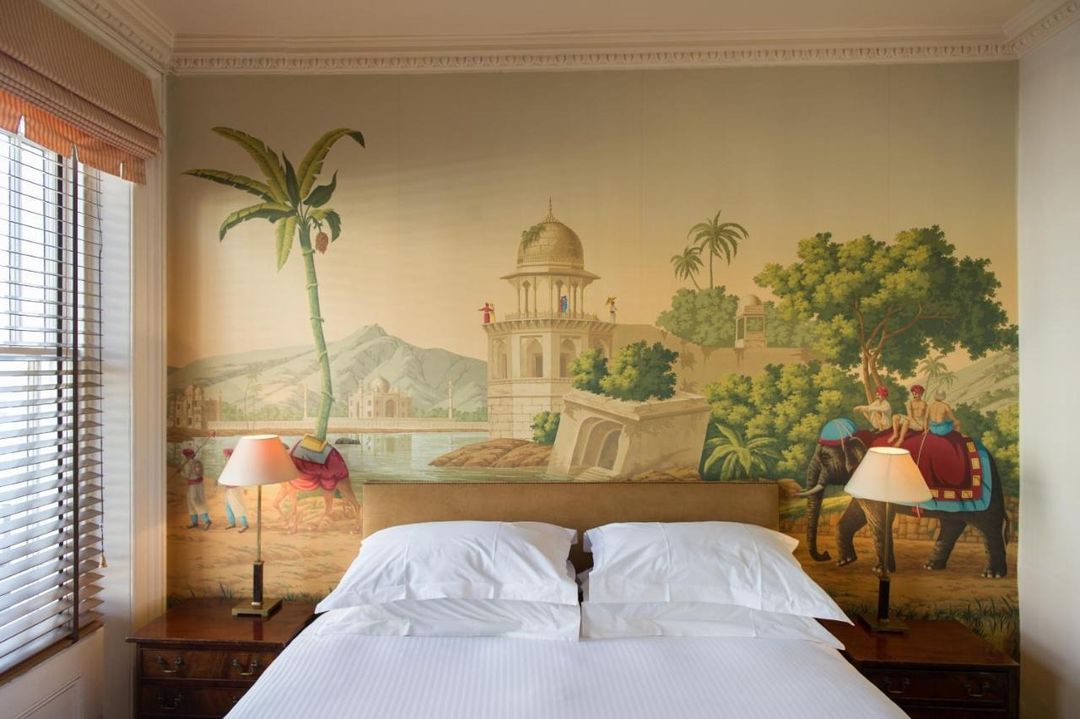
Guests’ experiences at boutique hotels in London frequently serve as a window into the unique charm and quality of these accommodations. Reviews often highlight the distinctive atmosphere and personalized services that set boutique hotels apart from larger chains. Understanding visitor feedback is crucial for maintaining high standards and ensuring that each guest’s stay meets or exceeds their expectations.Feedback from guests encapsulates a variety of experiences, ranging from exceptional service to charming decor.
Many reviews often commend the attention to detail that boutique hotels provide, which contributes significantly to their appeal. Guests appreciate the intimate ambiance and personalized approach that are hallmarks of boutique accommodations.
Notable Guest Experiences
The following are some notable reviews that showcase a range of experiences in boutique hotels across London, reflecting the importance of quality service and ambiance:
-
“The service was impeccable; the staff greeted us by name every time we returned to the hotel. It felt like a home away from home.”
-A recent guest at a Central London boutique hotel. -
“The design of the hotel was stunning, with every corner thoughtfully decorated. Each room told a story that made our stay memorable.”
-A traveler who stayed at a trendy East London hotel. -
“We loved the personalized welcome amenities that were tailored to our preferences. It made our special occasion even more unforgettable.”
-Guests celebrating an anniversary at a luxury boutique hotel.
Customer feedback plays a pivotal role in the continuous improvement of boutique hotels. It allows hotel management to understand what guests value most, whether it be the quality of service, the aesthetics of the rooms, or the overall ambiance. Regularly reviewing guest comments can also highlight areas that may need enhancement, ensuring that the establishment remains competitive in the bustling London hospitality market.
By actively engaging with reviews, boutique hotels can adapt their offerings to align with guest expectations, ultimately fostering loyalty and encouraging repeat visits. The impact of positive and negative feedback is profound, as it can significantly influence potential guests’ decisions when choosing accommodations for their stay in London.
Sustainability Practices in Boutique Hotels
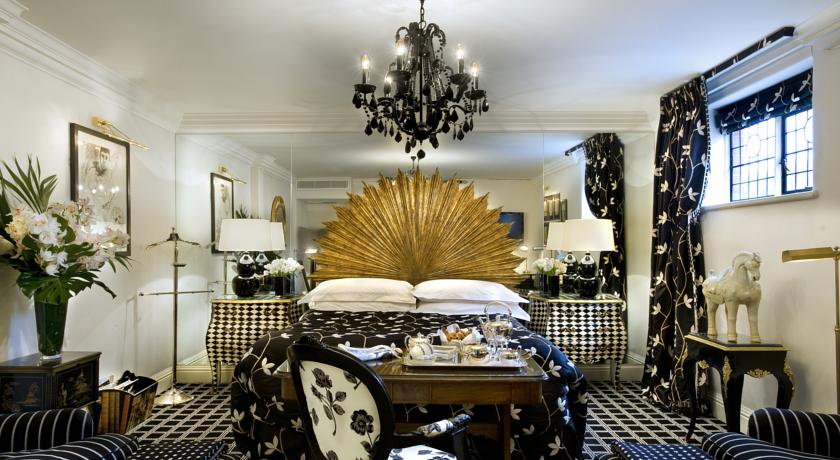
As awareness of environmental issues grows, boutique hotels in London are increasingly adopting sustainability practices that prioritize eco-friendliness and social responsibility. The commitment of these hotels not only enhances the guest experience but also contributes positively to the environment. By integrating sustainable practices into their operations, boutique hotels are setting a standard for the hospitality industry and encouraging travelers to consider their impact on the planet.Boutique hotels in London are implementing a range of eco-friendly practices that reflect their commitment to sustainability.
These initiatives often include using renewable energy sources, reducing waste, conserving water, and sourcing local and organic materials. Furthermore, many boutique hotels engage in programs that support local communities and wildlife conservation efforts. These practices help create a more sustainable tourism sector while providing guests with unique experiences that align with their values.
Innovative Practices and Recognitions
Many boutique hotels in London have embraced innovative sustainability practices and have been recognized for their efforts. Noteworthy initiatives include:
- Use of Renewable Energy: Several boutique hotels have installed solar panels and utilize wind energy to power their facilities, significantly reducing their carbon footprint.
- Water Conservation: Hotels are incorporating water-saving technologies, such as low-flow fixtures and rainwater harvesting systems, to minimize water usage.
- Waste Reduction: Many establishments have adopted comprehensive recycling programs, composting organic waste, and minimizing single-use plastics.
- Sustainable Sourcing: Boutique hotels often prioritize locally sourced and organic food for their restaurants, supporting local farmers and reducing transportation emissions.
In recognition of their environmental efforts, several boutique hotels have received prestigious awards. For instance:
“The Green Tourism Business Scheme recognizes accommodations for their commitment to sustainable practices and their positive impact on the environment.”
One such hotel is The Zetter Hotel, which has been awarded the Gold Standard by the Green Tourism Business Scheme for its energy efficiency and dedication to sustainability. Another example is The Hoxton, known for its minimal waste approach and support of local artisans, which has also garnered several sustainability accolades.These awards not only highlight the commitment of boutique hotels to sustainable practices but also inspire other hotels to follow suit, creating a ripple effect throughout the industry.
As sustainability becomes a priority for travelers, boutique hotels that lead in these efforts will continue to attract conscientious guests seeking unique and environmentally responsible accommodations.
Future Trends in Boutique Hotels
As the hospitality industry continues to evolve, boutique hotels in London are poised to embrace a variety of emerging trends that will shape their future. These trends not only reflect changing guest expectations but also demonstrate the industry’s commitment to innovation and sustainability. By examining these developments, we can gain valuable insights into the future landscape of boutique accommodations in one of the world’s most dynamic cities.Technological advancements are redefining the boutique hotel experience, offering guests enhanced convenience and personalization.
With the rapid adoption of smart technology, hotels are integrating Internet of Things (IoT) devices to optimize guest comfort and streamline operations. For instance, mobile check-in and room automation systems allow guests to customize their environment using their smartphones, from adjusting the lighting to controlling the temperature.
Emerging Trends in Guest Preferences
The preferences of guests at boutique hotels are shifting towards unique, immersive experiences rather than conventional amenities. This shift emphasizes the importance of offering distinctive elements that set boutique hotels apart from standard accommodations. Key trends include:
- Local Authenticity: Guests increasingly seek authentic local experiences, prompting hotels to collaborate with local artisans, chefs, and tour guides to provide culturally rich offerings.
- Sustainability and Eco-friendliness: Environmentally-conscious travelers are favoring hotels that implement sustainable practices, such as sourcing local ingredients, minimizing waste, and using eco-friendly products.
- Wellness and Mindfulness: There is a growing emphasis on wellness, with hotels offering wellness programs, spa services, and fitness activities that cater to health-conscious guests.
These trends signal a transformation in the way boutique hotels curate their offerings, ensuring they resonate with the evolving values and desires of their clientele.
Integration of Smart Technology
The integration of smart technology is revolutionizing how guests interact with boutique hotels. The applications of these advancements include:
- Smart Room Features: Automating room features such as lighting, temperature, and entertainment systems allows guests to tailor their stay to their preferences effortlessly.
- Mobile Apps: Many boutique hotels are developing mobile applications that enable guests to manage their bookings, access hotel services, and receive personalized recommendations from their devices.
- Contactless Services: The demand for contactless experiences has surged, leading to the implementation of digital concierge services and QR code menus to enhance guest safety and convenience.
These technological innovations not only improve the guest experience but also enhance operational efficiency for hotel management.
Shifts in Design Aesthetics
The design of boutique hotels is also anticipated to evolve, reflecting contemporary aesthetics that appeal to modern travelers. Future design trends include:
- Biophilic Design: Increasingly, hotels are incorporating natural elements into their interiors, such as living walls, natural light, and organic materials, which promote a connection to nature.
- Artistic Collaborations: Collaborating with local artists to create unique installations and décor helps distinguish boutique hotels and reflect the vibrant culture of the surrounding area.
- Flexible Spaces: Design trends will likely favor adaptable spaces that can serve multiple purposes, accommodating both leisure and business travelers in versatile environments.
These design shifts are aimed at creating aesthetically pleasing yet functional spaces that resonate with the values and preferences of future guests.
Helpful Answers
What defines a boutique hotel?
A boutique hotel is typically smaller in size, offering personalized services and unique designs that reflect the local culture and environment.
Are boutique hotels more expensive than chain hotels?
While boutique hotels can be pricier, they often provide added value through personalized experiences and unique amenities.
How can I find the best boutique hotels in London?
Travel websites specializing in accommodations, review platforms, and travel blogs often feature curated lists of the best boutique hotels.
Do boutique hotels offer amenities like gyms and spas?
Many boutique hotels do offer these amenities, but the availability can vary, so it’s best to check before booking.
Can I find family-friendly boutique hotels in London?
Yes, several boutique hotels cater to families, offering spacious rooms and child-friendly services.
