Boutique hotels in Toronto provide a distinctive charm that sets them apart from traditional accommodations, inviting travelers to experience the city in a personalized and intimate way. These hotels, often characterized by their unique designs and curated services, have evolved significantly over the years, contributing to a vibrant hospitality landscape in Toronto.
Each boutique hotel offers a unique narrative through its architecture, decor, and the experiences it curates for its guests, making it a favored choice among discerning travelers seeking more than just a place to stay.
Overview of Boutique Hotels in Toronto
Boutique hotels are characterized by their unique design, intimate atmosphere, and personalized service, often providing a more distinctive experience than traditional hotels. These establishments typically feature a smaller number of rooms, allowing for a more tailored guest experience that emphasizes individuality and local culture. Unlike chain hotels, which prioritize uniformity and brand recognition, boutique hotels often reflect the character of their surroundings, showcasing local art, cuisine, and themes.The historical development of boutique hotels in Toronto can be traced back to the late 20th century, when a shift towards personalized service and unique design began to take hold in the hospitality industry.
The first noteworthy boutique hotel in Toronto, the Gladstone Hotel, opened its doors in 1889, initially as a traditional hotel. However, in the early 2000s, it was transformed into a boutique establishment, celebrating local artists and community culture. This transformation set a precedent, inspiring a wave of similar hotels throughout the city, which have since flourished in neighborhoods like Queen West and the Distillery District.The significance of boutique hotels in the Toronto hospitality industry cannot be overstated.
They contribute to the city’s identity as a vibrant cultural hub and attract a diverse clientele seeking authentic experiences. Boutique hotels play a crucial role in enhancing the local economy by promoting small businesses and local artisans, as they often partner with local vendors for their services and products. The rise of these hotels has also diversified accommodation options for travelers, providing alternatives to the more conventional hotel experience and catering to the growing demand for unique and memorable stays.
Characteristics of Boutique Hotels
Boutique hotels possess distinct features that set them apart from traditional accommodations. The following points highlight the essential characteristics that define boutique hotels:
- Design and Aesthetic: Boutique hotels are often infused with unique architectural styles and interior designs that reflect the local culture and community.
- Personalized Service: Staff members are trained to provide tailored experiences to guests, ensuring high levels of customer satisfaction and attention to individual preferences.
- Limited Number of Rooms: Typically, boutique hotels have fewer rooms than larger hotel chains, allowing for a more intimate atmosphere and enhanced guest interactions.
- Local Art and Culture: Many boutique hotels collaborate with local artists to showcase artwork and design elements that resonate with the surrounding community.
- Unique Amenities: Often, boutique hotels offer specialized services and amenities, such as spa treatments, gourmet dining, or exclusive local tours.
“Boutique hotels are more than just places to stay; they embody the spirit of the city and create lasting memories for travelers.”
These characteristics not only enhance the guest experience but also solidify the boutique hotel sector’s position within Toronto’s dynamic hospitality landscape, creating a unique niche that continues to grow in popularity.
Features of Boutique Hotels
Boutique hotels are characterized by their distinctiveness and charm, which set them apart from standard accommodations. These hotels typically offer a personalized experience in unique surroundings, catering to guests looking for something more than the conventional hotel stay. The features of boutique hotels reflect a commitment to individuality and attention to detail.The following key features distinguish boutique hotels from standard accommodations and highlight the personalized services and unique design that cater to the discerning traveler.
Distinctive Characteristics of Boutique Hotels
Boutique hotels prioritize individuality and uniqueness in their offerings. The following key features contribute to their distinct identity:
- Intimate Atmosphere: Boutique hotels usually have a smaller number of rooms, fostering a cozy and personalized environment.
- Unique Design: Each boutique hotel often has a distinctive theme or decor, showcasing artistic elements that reflect local culture or history.
- Personalized Service: Staff members typically provide tailored experiences, often remembering guest preferences and offering customized recommendations.
- Local Flavor: Boutique hotels frequently integrate local culture into their design, cuisine, and service, providing an authentic experience of the destination.
- Attention to Detail: Every aspect, from furnishings to guest services, is meticulously curated, ensuring a high level of comfort and aesthetics.
Services and Amenities Offered by Boutique Hotels
Boutique hotels are known for their extraordinary services and amenities that enhance the guest experience. These establishments often provide:
- Complimentary Breakfast: Many boutique hotels include a gourmet breakfast featuring locally sourced ingredients, enhancing the authentic experience.
- Wellness Programs: Many offer spa services, fitness facilities, or wellness classes aimed at promoting relaxation and rejuvenation during guests’ stays.
- Concierge Services: Personalized concierge services are commonly available for arranging local excursions, dining reservations, and unique experiences tailored to guest interests.
- In-Room Amenities: Luxurious bedding, high-end toiletries, and personalized welcome gifts are often standard features in boutique hotels.
- Gastronomic Experiences: Many boutique hotels boast on-site restaurants or bars that serve unique culinary offerings crafted by renowned chefs.
Architectural Styles and Design Elements
Architectural styles and design elements in boutique hotels are often varied and reflect the culture and history of their locations. Common elements include:
- Historic Preservation: Many boutique hotels occupy historic buildings that have been beautifully restored, merging modern comforts with traditional architecture.
- Artistic Elements: Art plays a crucial role in the ambiance of boutique hotels, with many showcasing local artists’ works throughout the property.
- Unique Layouts: Unlike standard hotels, boutique accommodations often feature non-traditional layouts with creatively designed spaces that enhance the guest experience.
- Eclectic Decor: An assortment of furniture styles, colors, and textures is typically employed to evoke a sense of personality and comfort.
- Landscaping: Many boutique hotels incorporate outdoor spaces with gardens, patios, or rooftop terraces that provide guests with tranquil environments to relax.
Popular Boutique Hotels in Toronto
Boutique hotels in Toronto offer a unique blend of style, comfort, and personalized service, making them ideal choices for travelers seeking distinctive accommodations. These hotels not only reflect the vibrant culture of the city but also cater to various preferences and budgets. The following exploration of popular boutique hotels in Toronto highlights their key features, guest experiences, and unique offerings that set them apart in a competitive market.
Comparison of Notable Boutique Hotels
To better understand the landscape of boutique hotels in Toronto, the following table compares several notable options, highlighting their locations, price ranges, and unique offerings.
| Hotel Name | Location | Price Range (per night) | Unique Offerings |
|---|---|---|---|
| The Gladstone Hotel | Queen Street West | CAD 200 – 350 | Artist-designed rooms, local art exhibitions |
| Thompson Toronto | King West | CAD 250 – 500 | Rooftop pool, panoramic city views |
| Hotel Le Germain Toronto | Downtown | CAD 250 – 400 | Complimentary breakfast, eco-friendly amenities |
| Boutique 1867 | Yorkville | CAD 180 – 300 | Historic architecture, personalized service |
| The Drake Hotel | Queen Street West | CAD 200 – 450 | On-site dining, live music venue, art gallery |
Highly-Rated Boutique Hotels in Toronto
The following descriptions provide insight into five highly-rated boutique hotels, each offering a unique experience and amenities tailored to guests.
The Gladstone Hotel
Located in the artistic enclave of Queen Street West, The Gladstone Hotel boasts a rich history and vibrant atmosphere. Each of its 37 rooms is individually designed by local artists, showcasing a variety of styles and creative themes. Guests appreciate the hotel’s commitment to supporting local arts through exhibitions and events hosted in the gallery space. Reviews often highlight the hotel’s charm, comfortable accommodations, and the lively neighborhood surrounding it.
Thompson Toronto
Thompson Toronto is a stylish hotel situated in the bustling King West neighborhood. Known for its modern aesthetic, the hotel features a stunning rooftop pool that offers breathtaking views of the city skyline. The on-site restaurant provides a luxurious dining experience, while the bar is popular for its vibrant nightlife. Guests rave about the attentive service and the hotel’s proximity to Toronto’s top attractions, making it a favored choice for both leisure and business travelers.
Hotel Le Germain Toronto
Hotel Le Germain stands out for its commitment to sustainability and exceptional guest service. Located in the heart of downtown, this hotel offers contemporary, comfortable rooms that include eco-friendly amenities. Guests enjoy a complimentary gourmet breakfast each morning and appreciate the hotel’s convenient location near cultural landmarks. Reviews frequently commend the staff’s hospitality and the overall ambiance of tranquility in the urban setting.
Boutique 1867
Nestled in the upscale Yorkville neighborhood, Boutique 1867 is a charming hotel that combines historic architecture with modern comforts. The intimate setting and personalized service create a home-away-from-home experience for guests. With its proximity to high-end shopping and dining, guests often share favorable reviews about the prime location and the warmth of the staff, making their stay memorable.
The Drake Hotel
The Drake Hotel is a vibrant cultural hub located on Queen Street West, known for its eclectic design and artistic flair. This boutique hotel is not just a place to stay; it features a live music venue, an art gallery, and several dining options that emphasize local ingredients. Guests appreciate the dynamic atmosphere and the opportunity to engage with Toronto’s arts scene.
Reviews often praise the lively ambiance and the unique experiences offered throughout the hotel.
Guest Experiences and Reviews
The guest experiences at boutique hotels in Toronto are often characterized by high levels of satisfaction due to their personalized service and unique environments. Reviews across various platforms consistently highlight the attentive staff, who go above and beyond to ensure a memorable stay. Many guests express appreciation for the carefully curated aesthetics and the opportunity to immerse themselves in the local culture.
“Staying at The Drake was like living in an art piece; every corner is filled with creativity and life.”
A satisfied guest review
Additionally, guests often comment on the excellent location of these boutique hotels, providing convenient access to Toronto’s attractions, dining, and shopping. The blend of unique offerings and local charm contributes to the overall positive experiences, making boutique hotels a preferred choice for visitors to Toronto.
Target Audience for Boutique Hotels

Boutique hotels attract a distinct demographic that often seeks unique experiences over standardized lodging. These hotels cater primarily to travelers who value personalization, creativity, and an immersion into local culture. The ideal patrons of boutique hotels are typically more adventurous, willing to explore the lesser-known aspects of a destination, and are often influenced by their desire for a more memorable stay.Experiential travel is a growing trend where individuals seek to engage deeply with their travel environment, prioritizing meaningful experiences over mere sightseeing.
This concept aligns perfectly with boutique hotel offerings, which emphasize a personalized touch and local flair. Visitors are drawn to these hotels not only for comfortable accommodations but also for the opportunity to connect with the local community, enjoy curated experiences, and relish in the artful design and aesthetic of their surroundings.
Demographics of Boutique Hotel Guests
The clientele of boutique hotels typically includes several key demographics:
- Millennials and Gen Z Travelers: Often seeking unique experiences, these younger generations are inclined towards accommodations that reflect individuality and local culture rather than corporate branding.
- Business Travelers: Professionals looking for a change from traditional hotels often choose boutique hotels for their distinctive atmospheres and personalized services, which enhance productivity and comfort.
- Couples and Honeymooners: Seeking romantic getaways, these travelers prefer the intimate and exclusive settings that boutique hotels provide, which often include unique amenities and personalized services.
- Cultural Enthusiasts: Visitors passionate about art, music, and local traditions are drawn to boutique hotels that offer cultural experiences, local artwork, and partnerships with local artisans.
Experiential Travel and Boutique Hotels
The rise of experiential travel has shaped the hospitality landscape, particularly in boutique hotels. These accommodations often curate experiences that allow guests to engage with their environments through local tours, culinary classes, art workshops, and more. This trend emphasizes not just where guests stay, but how they connect with the place they are visiting.
“Experiential travel is about creating moments that resonate long after the journey ends.”
By tapping into the local culture and fostering connections between guests and destination, boutique hotels enhance the travel experience, making it memorable and enriching.
Marketing Strategies for Boutique Hotels
To effectively attract their ideal clientele, boutique hotels often employ innovative marketing strategies that differentiate them from larger hotel chains. The following approaches are commonly utilized:
- Social Media Engagement: Utilizing visually driven platforms like Instagram and Pinterest allows boutique hotels to showcase their unique aesthetics and experiences, engaging directly with potential guests.
- Influencer Partnerships: Collaborating with travel influencers helps to tap into niche markets and reach audiences who prioritize personalized travel experiences.
- Local Collaborations: Establishing partnerships with local businesses and artisans enriches the guest experience and promotes a community-focused brand image.
- Storytelling: Crafting compelling narratives around the hotel’s history, design, and location resonates with guests looking for meaningful connections during their stay.
By utilizing these strategies, boutique hotels not only enhance their appeal but also cultivate a loyal customer base that appreciates the unique experiences they offer.
Booking and Pricing Strategies

Boutique hotels in Toronto offer a distinct charm and personalized experience, but their pricing strategies can differ significantly from conventional hotels. Understanding these strategies is essential for potential guests looking to secure the best deals while enjoying unique accommodations. Boutique hotels often utilize dynamic pricing models that adapt to various market conditions, demand fluctuations, and seasonal trends.Boutique hotels may adopt several pricing models that distinguish them from standard hotel chains, including:
Pricing Models of Boutique Hotels
Boutique hotels generally engage in more flexible pricing strategies compared to conventional hotels. They often implement dynamic pricing, where room rates can vary based on demand, events in the area, and booking timeframes. This can lead to significant variations in pricing over time, especially during peak travel seasons.Factors influencing the pricing of boutique hotels in Toronto include:
- Location: Proximity to popular attractions and city centers can increase rates.
- Seasonality: Prices typically rise during high tourist seasons, such as summer and major holidays.
- Room Type: Unique room offerings, such as suites or themed rooms, may command higher prices.
- Event Scheduling: Local events, festivals, or conferences can drive demand and affect pricing.
- Booking Timing: Rates can fluctuate based on how far in advance a booking is made, with last-minute bookings often costing more.
- Promotions and Packages: Special offers or curated experiences can provide discounts or added value.
- Length of Stay: Extended stays may qualify for lower nightly rates or exclusive packages.
For optimal savings when booking a boutique hotel in Toronto, consider the following tips:
Best Times to Book for Savings
Understanding when to book can significantly impact overall costs. The following strategies can help travelers secure better rates:
- Plan Ahead: Booking several months in advance often yields lower prices, especially during peak seasons.
- Travel Off-Peak: Visiting during off-peak times can result in substantial savings, as many boutique hotels offer lower rates outside of busy periods.
- Sign Up for Alerts: Many hotels provide special promotions via newsletters or loyalty programs, which can offer immediate savings or exclusive deals.
- Be Flexible: Adjusting travel dates slightly can take advantage of better rates available on alternative dates.
- Check for Last-Minute Deals: Some boutique hotels offer discounts for last-minute bookings if they have availability, which can be beneficial for spontaneous travelers.
Events and Promotions
Boutique hotels in Toronto not only offer unique accommodations but also serve as vibrant venues for various events and promotions. These activities enhance the guest experience and foster a sense of community, making them integral to the boutique hotel experience. By hosting creative events and implementing strategic promotions, boutique hotels can attract a diverse clientele and showcase the cultural richness of Toronto.
Types of Events Hosted by Boutique Hotels, Boutique hotels in toronto
Boutique hotels in Toronto frequently engage in hosting a range of events that cater to different interests. These events often highlight local art, cuisine, and culture, thereby enriching the guest experience. Some notable types of events include:
- Art Shows: Many boutique hotels collaborate with local artists to exhibit their work in the hotel lobby or designated gallery spaces. These shows provide artists with visibility while creating an engaging atmosphere for guests.
- Culinary Festivals: Gourmet experiences, such as pop-up restaurants or themed food festivals, showcase local chefs and their culinary talents, drawing food enthusiasts to the hotel.
- Live Music Nights: Hosting local musicians or bands enhances the ambiance and provides entertainment, attracting both guests and locals to enjoy a night out.
- Wellness Retreats: Many hotels offer wellness-focused weekends featuring yoga sessions, spa treatments, and healthy cooking classes, appealing to health-conscious travelers.
Promotional Ideas for Attracting Guests
To remain competitive and attract more guests, boutique hotels can implement various promotional strategies. These promotions can be tailored to specific audiences and seasons. The following ideas may enhance guest engagement:
- Package Deals: Combining accommodations with experiences, such as city tours, dining credits, or spa services, can create attractive all-in-one offers for travelers.
- Seasonal Promotions: Discounts or special rates during low seasons or holidays can incentivize bookings during less busy periods.
- Social Media Campaigns: Engaging potential guests through targeted social media ads or contests can increase visibility and encourage direct bookings.
- Loyalty Programs: Implementing a rewards program that offers points for stays can encourage repeat visits and customer loyalty.
Collaboration with Local Businesses
Collaborating with local businesses can create mutually beneficial relationships that enhance the guest experience while supporting the community. Boutique hotels can consider several collaborative strategies:
- Partnerships with Local Artists and Artisans: Showcasing local art or crafts in guest rooms and common areas can create a unique ambiance and provide exposure for local talent.
- Collaboration with Restaurants and Cafes: Offering guests exclusive discounts or curated dining experiences at nearby eateries can enrich their stay and promote local gastronomy.
- Joint Events with Local Organizations: Hosting events in partnership with local non-profits or community groups can enhance hotel visibility and foster goodwill among residents.
- Co-hosting Workshops or Classes: Collaborating with local experts to offer workshops, such as cooking classes or art lessons, can attract guests interested in immersive experiences.
Sustainability Practices in Boutique Hotels
Boutique hotels in Toronto are increasingly adopting sustainability practices to cater to the growing demand for eco-friendly travel experiences. As environmentally-conscious consumers seek accommodations that align with their values, these hotels are implementing various initiatives to minimize their ecological footprint while enhancing guest satisfaction. The focus on sustainability not only benefits the environment but also elevates the overall guest experience through unique, innovative practices.In an effort to create a more sustainable hospitality industry, boutique hotels are integrating eco-friendly amenities and practices into their operations.
These initiatives range from energy-efficient lighting and water conservation systems to locally-sourced food options and waste reduction programs. The emphasis on sustainability is evident in the following notable practices:
Examples of Eco-Friendly Amenities and Practices
The commitment to sustainability is reflected through a variety of initiatives that boutique hotels are embracing. These practices demonstrate a holistic approach to environmental stewardship and guest engagement. Here are some key examples:
- Use of Renewable Energy Sources: Many boutique hotels are investing in renewable energy solutions, such as solar panels or wind turbines, to power their facilities. This not only reduces reliance on fossil fuels but also significantly cuts down on greenhouse gas emissions.
- Water Conservation Measures: Implementing low-flow fixtures, rainwater harvesting systems, and promoting towel and linen reuse programs are common practices that help conserve water in boutique hotels.
- Waste Reduction Initiatives: A focus on reducing waste can be seen through recycling programs, composting organic waste, and minimizing single-use plastics in guest amenities.
- Locally-Sourced Products: Many boutique hotels prioritize sourcing food and beverages from local farmers and artisans, thus supporting the local economy and reducing the carbon footprint associated with food transportation.
- Green Certifications: Several boutique hotels are pursuing certifications such as LEED (Leadership in Energy and Environmental Design) or Green Key Eco-Rating, which recognize their commitment to sustainable practices and environmental responsibility.
The significance of sustainability extends beyond environmental benefits; it resonates deeply with the target audience of boutique hotels. Modern travelers, especially millennials and Gen Z, are increasingly prioritizing eco-friendly options when selecting accommodations. They are more likely to support businesses that demonstrate a commitment to sustainability, thereby driving demand for hotels that align with their values.
“The choice for sustainability in travel is no longer a luxury; it’s an expectation for the conscientious traveler.”
In conclusion, boutique hotels in Toronto are at the forefront of the sustainability movement within the hospitality industry. By implementing innovative eco-friendly practices and amenities, they not only contribute to environmental conservation but also enhance the guest experience, aligning with the values of modern travelers who prioritize sustainability.
Future Trends in Boutique Hospitality
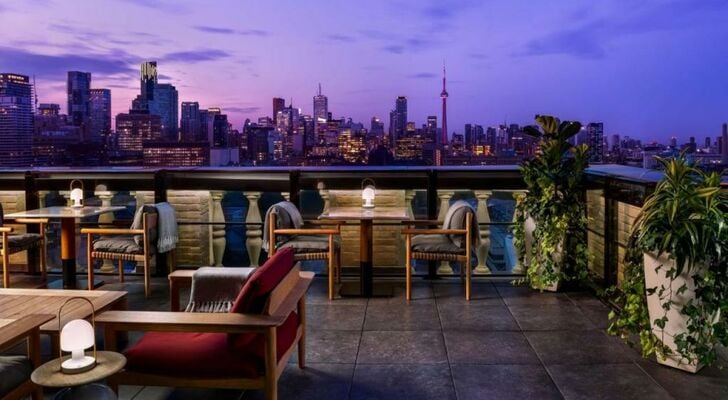
The boutique hotel sector is poised for significant transformation as it adapts to the evolving needs and preferences of travelers. This evolution will not only enhance the guest experience but also reshape the competitive landscape within Toronto’s hospitality industry. As boutique hotels strive to maintain their unique charm while incorporating modern trends, several emerging factors will play a critical role in their future success.Technology is becoming an essential component in shaping the boutique hotel experience.
From personalized guest interactions to efficient operational management, advancements in technology will redefine how boutique hotels operate and connect with their guests. As these establishments leverage new tools, they will be better equipped to meet the demands of today’s tech-savvy travelers.
Emerging Trends and Predictions
The following trends highlight the potential future developments in the boutique hotel sector in Toronto over the next decade. These predictions underscore the importance of innovation and customer-centric strategies in maintaining relevance in a competitive market.
- Increased Personalization: The use of data analytics will allow boutique hotels to tailor services and experiences to individual guest preferences, enhancing customer loyalty.
- Integration of Smart Technology: Hotels will increasingly adopt smart room features, such as voice-activated controls and IoT devices, to elevate the guest experience and streamline hotel operations.
- Sustainable Practices: A growing emphasis on eco-friendly initiatives will see boutique hotels implementing sustainable design, sourcing local products, and minimizing waste, aligning with the values of environmentally conscious travelers.
- Enhanced Digital Marketing Strategies: Boutique hotels will invest in sophisticated digital marketing techniques, employing social media and influencer partnerships to attract a younger demographic.
- Experiential Travel Focus: There will be a shift towards offering unique experiences, such as local cultural immersions and curated activities, which will distinguish boutique hotels from larger chains.
- Health and Wellness Offerings: Incorporating wellness programs, such as yoga classes and health-focused dining options, will become standard as guests prioritize their health during travel.
- Hybrid Business Models: Some boutique hotels may explore mixed-use developments, combining hospitality with residential or retail spaces, to diversify revenue streams and enhance guest experiences.
- Adaptation to Remote Work Trends: With the rise of remote working, boutique hotels might cater to this segment by offering longer stays and work-friendly amenities, creating an appealing environment for business travelers.
“The future of boutique hospitality lies in its ability to adapt and innovate, ensuring that each guest experience is memorable and personalized.”
FAQ: Boutique Hotels In Toronto
What defines a boutique hotel?
A boutique hotel is typically smaller, often independently owned, and characterized by its unique style, personalized service, and distinctive atmosphere.
What amenities can I expect at a boutique hotel?
Guests can expect tailored services, luxurious bedding, locally inspired decor, and often, unique dining experiences that reflect the hotel’s culture.
How do boutique hotels differ in pricing compared to larger chains?
Pricing for boutique hotels can vary widely, often influenced by their unique offerings and prime locations, but they may offer competitive rates compared to larger hotel chains.
Are boutique hotels suitable for business travel?
Yes, many boutique hotels cater to business travelers, offering amenities such as meeting spaces, high-speed internet, and proximity to business districts.
How can I find the best boutique hotel deals in Toronto?
To find the best deals, consider booking during off-peak seasons, checking for special promotions directly on hotel websites, and using travel comparison sites.
