Boutique hotels in amsterdam present a charming alternative to conventional accommodations, embodying the city’s rich cultural tapestry and stylish design. These hotels are often characterized by their distinctive themes, personalized service, and intimate environments that allow travelers to immerse themselves in the local ambiance.
With a history rooted in individuality and creativity, boutique hotels have flourished in Amsterdam, drawing guests with their unique offerings. The blend of modern amenities and local artistry creates a memorable stay that reflects the essence of the city.
Overview of Boutique Hotels in Amsterdam
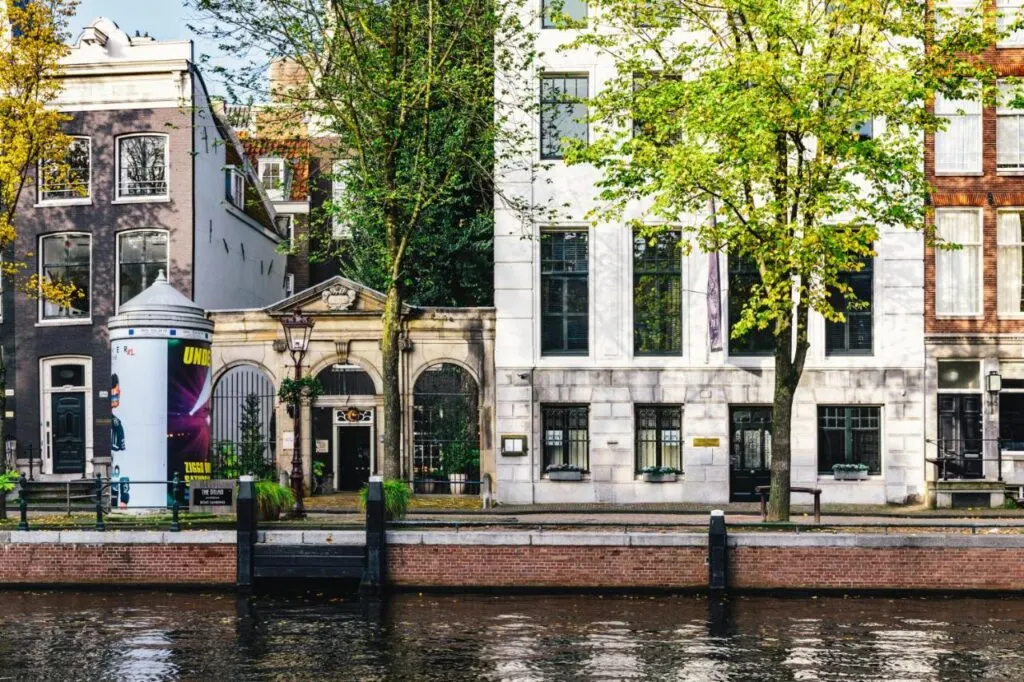
Boutique hotels in Amsterdam have become a hallmark of the city’s vibrant hospitality scene, offering travelers a unique blend of luxury, charm, and personalized service. Unlike traditional hotels, which often prioritize uniformity and efficiency, boutique hotels focus on individuality and character, creating memorable experiences that reflect the local culture and aesthetics.The boutique hotel trend in Amsterdam began to flourish in the late 1990s as travelers sought alternatives to the impersonal experience of large hotel chains.
Establishments like Hotel Pulitzer and The Dylan pioneered this movement, combining design, art, and local influences to create intimate spaces that resonated with visitors. As the trend gained momentum, many historic buildings and unique locations were repurposed to serve as boutique hotels, enhancing the city’s distinct character.
Key Characteristics of Boutique Hotels in Amsterdam
Boutique hotels in Amsterdam are distinguished by several defining features that set them apart from conventional accommodations. Understanding these characteristics is essential for discerning travelers looking for an authentic experience in the city.
- Unique Design: Each boutique hotel possesses a distinctive aesthetic, often incorporating local art and historical elements that reflect the city’s heritage.
- Personalized Service: Staff members typically provide tailored services, knowing guests by name and catering to individual preferences, which enhances the overall guest experience.
- Intimate Atmosphere: With a smaller number of rooms compared to traditional hotels, boutique hotels offer a cozy and welcoming environment that fosters connection and comfort.
- Local Influence: Many boutique hotels emphasize local culture, offering guests insights into the city’s art, cuisine, and lifestyle through curated experiences and partnerships with local businesses.
- Innovative Amenities: These hotels often feature unique amenities such as personalized welcome packages, bespoke dining experiences, and wellness services, further distinguishing them from mainstream options.
“Boutique hotels in Amsterdam embody the essence of the city’s culture, combining sophisticated design with unparalleled hospitality.”
Popular Boutique Hotels in Amsterdam
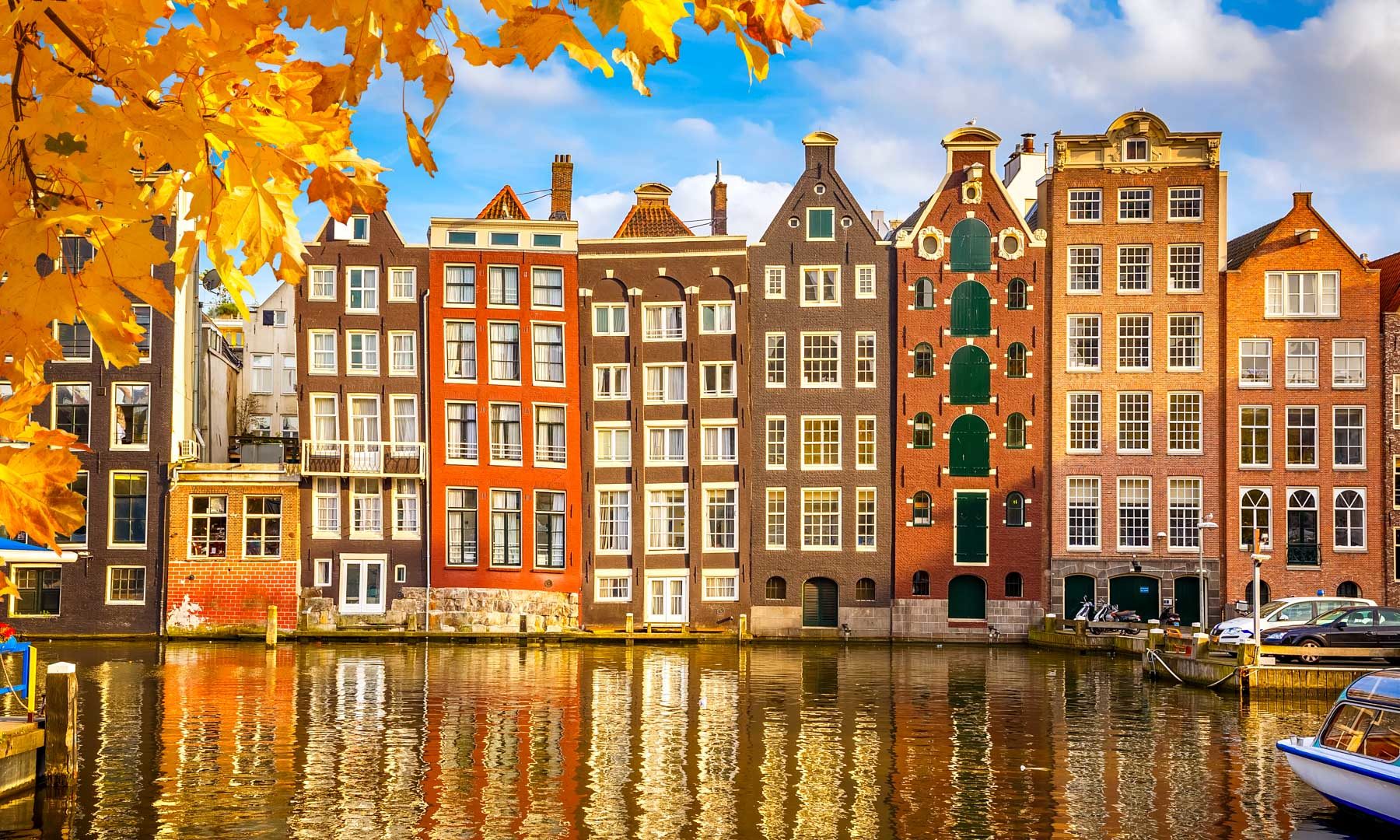
Amsterdam is renowned for its unique blend of historic charm and contemporary style, a reflection that is beautifully encapsulated in its boutique hotels. These accommodations offer personalized service, distinctive character, and often a strategic location for exploring the city’s rich culture and vibrant atmosphere. When considering a stay in Amsterdam, the following boutique hotels stand out for their unique offerings and exceptional guest experiences.
Notable Boutique Hotels in Amsterdam
The following list highlights five well-known boutique hotels in Amsterdam, each offering a unique ambiance and set of services that cater to various guest preferences.
- Hotel Estheréa: This charming hotel, located along the serene Singel canal, features rooms adorned with floral motifs and antique furnishings. Guests can enjoy complimentary breakfast and access to a cozy library, perfect for unwinding after a day of exploring the city.
- The Dylan Amsterdam: Situated in the vibrant Jordaan district, The Dylan is known for its stylish interior and Michelin-starred restaurant, Vinkeles. The hotel offers a unique ‘encounter’ service that allows guests to tailor their stay, ensuring a personalized experience.
- Hotel Nine Streets: Nestled in the famous Nine Streets shopping area, this hotel boasts modern design with a vintage twist. It provides guests with bicycles for rent, allowing them to explore the city like a local.
- Canal House: Located in the heart of the city, Canal House offers an intimate atmosphere with meticulously designed rooms that reflect the hotel’s history. Guests are treated to complimentary wine in the evening and the option for private dining experiences.
- Hotel Pulitzer Amsterdam: This unique hotel spans 25 restored canal houses, blending history with modern luxury. Its famous courtyard garden and access to exclusive canal boat tours make it a standout for those seeking a memorable stay.
Comparison of Amenities and Features
The following table compares the selected boutique hotels based on their amenities, location, and price range, providing a clear overview for potential guests.
| Hotel Name | Amenities | Location | Price Range (per night) |
|---|---|---|---|
| Hotel Estheréa | Complimentary breakfast, library, canal views | Singel Canal | €150 – €250 |
| The Dylan Amsterdam | Michelin-star restaurant, bespoke services, stylish interiors | Jordaan District | €300 – €500 |
| Hotel Nine Streets | Bicycle rentals, modern design, shopping access | Nine Streets | €120 – €220 |
| Canal House | Complimentary wine, private dining, historical charm | City Center | €200 – €350 |
| Hotel Pulitzer Amsterdam | Courtyard garden, canal boat tours, luxurious rooms | Canal Belt | €400 – €700 |
“Each boutique hotel in Amsterdam offers a unique experience, combining local charm with personalized service to ensure a memorable stay.”
The Experience of Staying in a Boutique Hotel
Staying in a boutique hotel in Amsterdam offers guests a unique blend of personalized service, artistic design, and a deep connection to the local culture. Each boutique hotel is a reflection of its surroundings, providing an immersive experience that larger chain hotels often cannot replicate. From the moment you step inside, you will be enveloped in an atmosphere that celebrates both comfort and the distinct charm of Amsterdam.Guests can expect to encounter a range of thoughtfully curated amenities and décor that encapsulate the essence of the city.
Boutique hotels often feature local artwork, vintage furnishings, and bespoke touches that create a warm and inviting environment. The services provided are tailored to meet the individual preferences of guests, ensuring a memorable stay. Many boutique hotels also emphasize sustainability and local sourcing, which enhances the overall experience.
Local Culture and Atmosphere Reflection
Boutique hotels in Amsterdam serve as microcosms of the city’s rich culture and history. The design and ambiance of these hotels often draw inspiration from the surrounding neighborhoods, showcasing the characteristics that make each area unique. Guests are likely to experience:
- Artistic Design: Many boutique hotels collaborate with local artists and designers to create spaces that reflect Amsterdam’s vibrant art scene. This ensures that each hotel has a distinct aesthetic that is both contemporary and rooted in local tradition.
- Personalized Service: Unlike larger hotels, boutique establishments prioritize individualized attention. Staff members often go out of their way to provide recommendations for local attractions, dining, and cultural experiences, allowing guests to discover hidden gems throughout the city.
- Community Engagement: Boutique hotels frequently participate in community events and initiatives, connecting guests with local culture. This could include hosting art exhibitions, music performances, or culinary events featuring local chefs.
- Unique Culinary Offerings: Many boutique hotels provide on-site dining options that showcase local flavors and ingredients. Guests can enjoy breakfast made from organic, locally sourced products or partake in a curated dinner experience featuring traditional Dutch cuisine.
The intimate nature of boutique hotels fosters a sense of belonging and connection to the city. Guest testimonials frequently highlight these distinctive experiences. For instance, one guest remarked,
“Staying at this boutique hotel felt like being invited into a friend’s home. The staff was incredibly welcoming, and every detail was thoughtfully designed.”
Another guest shared,
“I loved how the hotel reflected the artistry of Amsterdam. It was more than just a place to sleep; it was part of my adventure in the city.”
Such reviews underscore the significance of the unique atmosphere that boutique hotels provide, enhancing the overall richness of the Amsterdam experience.
Unique Themes and Designs of Boutique Hotels
Boutique hotels in Amsterdam are renowned for their distinctive themes and designs, which often reflect the city’s rich cultural heritage and contemporary artistic flair. These hotels not only provide comfortable accommodations but also serve as immersive experiences that engage guests in the local aesthetic. The careful curation of design elements plays a pivotal role in creating unique atmospheres that differentiate these boutique establishments from traditional hotels.
The significance of local art and design elements cannot be overstated in Amsterdam’s boutique hotels. Many of these hotels incorporate works from local artists, showcasing the vibrant art scene that the city is famous for. This practice not only supports local talent but also enriches the guest experience, allowing visitors to connect more deeply with the cultural fabric of Amsterdam.
Each hotel tells a story through its design, often inspired by the city’s history, architecture, and lifestyle.
Design Inspirations in Boutique Hotels
The design themes of boutique hotels in Amsterdam are as varied as the city itself. Below are some key inspirations that influence their unique aesthetics:
Dutch Golden Age
Many boutique hotels draw inspiration from the opulence of the Dutch Golden Age, featuring classic furnishings, intricate detailing, and rich color palettes reminiscent of 17th-century art and architecture.
Modern Minimalism
This theme emphasizes simplicity and functionality, often characterized by clean lines, open spaces, and a monochromatic color scheme, creating a serene environment that contrasts with the bustling city outside.
Eclectic Mix
Some hotels embrace an eclectic approach, blending various design styles and cultural influences, resulting in vibrant interiors filled with unexpected elements that surprise and delight guests.
Industrial Chic
Reflecting Amsterdam’s former industrial past, this theme incorporates exposed brick, raw materials, and vintage accents, creating a trendy yet comfortable atmosphere.
Nature-inspired Designs
Incorporating elements of nature, such as plant life, natural materials, and earthy color schemes, these hotels aim to create a soothing environment that fosters relaxation.
Art Deco Revival
Drawing from the bold geometric shapes and luxurious finishes of the Art Deco period, this style adds a touch of glamour and sophistication to many boutique hotels.
Cultural Heritage
Many hotels celebrate Amsterdam’s diverse cultural heritage through their decor, integrating traditional elements that narrate the story of the city’s rich history and multicultural influences.
These design inspirations not only enhance the visual appeal of the hotels but also create a unique ambiance that invites guests to experience Amsterdam in a new light. The fusion of innovative designs with local artistic expressions continues to redefine the boutique hotel experience in this vibrant city.
Tips for Booking Boutique Hotels in Amsterdam
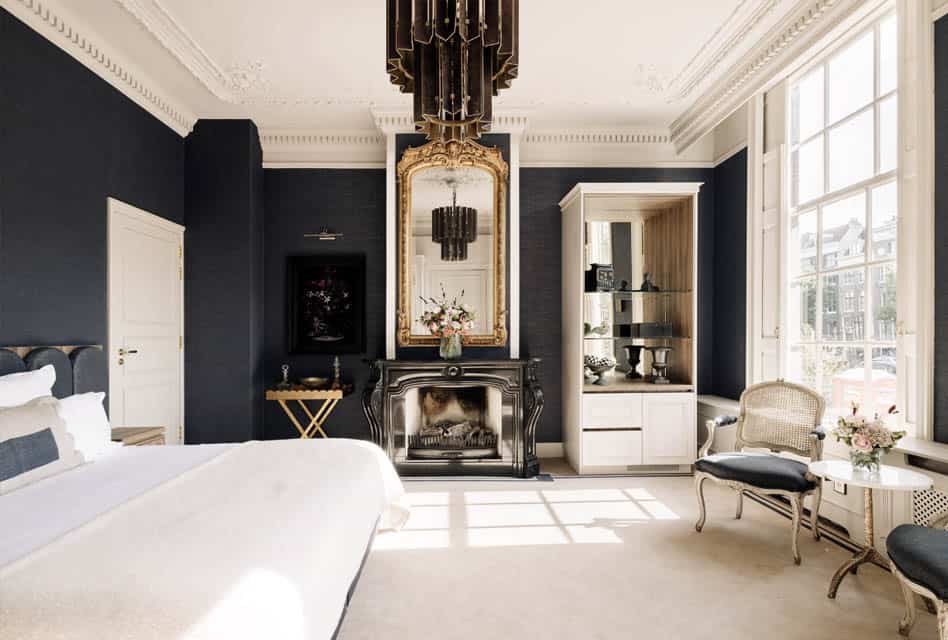
When planning a visit to Amsterdam, choosing the right boutique hotel can significantly enhance your experience. Boutique hotels often provide unique character, personalized service, and intimate surroundings, making them an appealing choice for travelers. To ensure a delightful stay, here are some essential tips for booking boutique hotels in this vibrant city.The timing of your visit can greatly influence the availability and pricing of boutique hotels.
Understanding the peak and off-peak seasons will help you make a more informed decision. The best times to visit Amsterdam for a boutique hotel stay are during the spring (April to May) and fall (September to October) when the city is less crowded, and the weather is generally pleasant. Additionally, popular events like the Amsterdam Dance Event in October or the Tulip Festival in April can increase hotel demand, so booking in advance is advisable.
Checklist for Selecting a Boutique Hotel
When selecting a boutique hotel, there are several factors to consider to ensure that your accommodation meets your needs and expectations. The following checklist Artikels key elements to evaluate:
- Location: Consider proximity to attractions, public transport, and local dining options. Staying in neighborhoods like Jordaan or De Pijp can enhance your experience.
- Style and Theme: Different boutique hotels offer unique atmospheres ranging from contemporary chic to historical charm. Choose a hotel that aligns with your personal style.
- Amenities: Look for essential amenities such as Wi-Fi, breakfast options, and room service. Some hotels may also offer additional perks like bike rentals or guided tours.
- Reviews and Ratings: Research online reviews from previous guests to gauge the quality of service and overall experience. Websites like TripAdvisor or Booking.com can provide valuable insights.
- Price Range: Set a budget for your accommodation and compare prices across different platforms. Keep in mind that boutique hotels may vary greatly in cost depending on their location and amenities.
- Cancellation Policy: Ensure you understand the hotel’s cancellation policy, especially if your travel plans may change. Flexibility can be crucial in times of uncertainty.
“A well-chosen boutique hotel can transform your stay into a memorable experience, combining comfort, uniqueness, and personalized service.”
By considering these factors, travelers can find the perfect boutique hotel that aligns with their preferences and enhances their overall experience in Amsterdam.
The Impact of Boutique Hotels on Local Communities
Boutique hotels play a significant role in shaping the local economy and culture of Amsterdam. These unique accommodations not only provide personalized experiences for guests but also actively contribute to the neighborhoods in which they are located. By prioritizing local engagement and sustainable practices, boutique hotels foster a deep connection with the community, enriching both the visitor experience and the lives of local residents.Boutique hotels contribute to the local economy of Amsterdam through various avenues.
They create jobs, support local businesses, and encourage tourism, all of which help to sustain the economic vitality of their neighborhoods. The following points illustrate the multifaceted economic impact of boutique hotels:
Contribution to Local Economy
Boutique hotels often source their products and services from nearby businesses, enhancing the economic ecosystem. This practice not only stimulates the local economy but also strengthens community ties. Key aspects of their economic contribution include:
- Job Creation: Boutique hotels employ local residents in various capacities, from hospitality staff to marketing professionals, thereby providing stable employment opportunities.
- Support for Local Vendors: Many hotels collaborate with local artisans, farmers, and suppliers, ensuring that the services and products offered are sourced within the community.
- Boosting Tourism: The distinct charm of boutique hotels often attracts a diverse range of tourists, leading to increased foot traffic and business for nearby restaurants, shops, and attractions.
Boutique hotels also serve as cultural ambassadors, promoting the local culture and sustainability initiatives. By emphasizing local art, cuisine, and traditions, these establishments create a unique sense of place that resonates with guests. The following points detail how boutique hotels promote local culture and sustainability:
Promotion of Local Culture and Sustainability, Boutique hotels in amsterdam
The commitment to sustainability and cultural promotion is evident in the operations of boutique hotels. This not only enhances the guest experience but also aligns with contemporary values of environmental responsibility. Key practices include:
- Incorporation of Local Art: Many boutique hotels showcase artwork from local artists, offering guests a glimpse into the region’s creative community while supporting local talent.
- Sustainable Practices: Initiatives such as waste reduction, energy-efficient systems, and eco-friendly products are often implemented, showcasing a commitment to sustainability and responsible tourism.
- Culinary Experiences: By featuring locally sourced cuisine in their restaurants and cafes, boutique hotels provide guests with authentic tastes of Amsterdam, often including traditional dishes and seasonal ingredients.
Furthermore, some boutique hotels engage with local communities through social initiatives, creating partnerships that benefit both visitors and residents. For example, the Hotel V offering guided tours led by local historians or the Conscious Hotel, which actively participates in community clean-up events, exemplifies this engagement. Through such initiatives, boutique hotels not only enhance the travel experience but also empower local communities and create lasting positive impacts.
Future Trends in Boutique Hotels
The boutique hotel industry in Amsterdam is evolving rapidly, reflecting changes in consumer preferences, technological advancements, and a growing emphasis on sustainability. As travelers increasingly seek unique and personalized experiences, boutique hotels are poised to adapt and innovate in ways that enhance guest satisfaction and community engagement.The influence of technology on the boutique hotel experience cannot be overstated. From seamless booking processes to smart room technologies, hotels are leveraging digital advancements to create a more efficient and enjoyable stay for their guests.
This integration not only streamlines operations but also enriches the overall ambiance of boutique accommodations, aligning with the modern traveler’s expectations.
Innovative Features in Future Boutique Hotels
As boutique hotels in Amsterdam prepare for the future, several innovative features are anticipated to become standard. The following points highlight these emerging trends, which are expected to enhance guest experiences and contribute to the unique charm of boutique accommodations.
- Smart Room Technology: Integration of automated systems for lighting, temperature, and entertainment, allowing guests to customize their environment with ease.
- Personalized Guest Experiences: Utilization of data analytics to tailor services and amenities based on individual preferences, ensuring a more memorable stay.
- Sustainable Practices: Increased focus on eco-friendly operations, including sourcing local materials, implementing energy-efficient systems, and reducing waste, appealing to environmentally conscious travelers.
- Local Cultural Immersion: Partnerships with local artists and artisans to create unique decor and experiences that highlight Amsterdam’s rich cultural heritage.
- Flexible Workspaces: Designated areas within hotels for business travelers, equipped with high-speed internet and collaborative environments to cater to remote workers.
- Health and Wellness Focus: Incorporation of wellness amenities such as yoga studios, spas, and healthy dining options, catering to guests’ physical and mental well-being.
- Augmented and Virtual Reality Experiences: Offering virtual tours and augmented reality features that allow guests to explore the hotel and local attractions in an interactive manner.
- Community Engagement Programs: Initiatives that encourage guests to participate in local activities, fostering a sense of connection with the neighborhood and its people.
FAQ Compilation: Boutique Hotels In Amsterdam
What defines a boutique hotel in Amsterdam?
A boutique hotel in Amsterdam is typically characterized by its unique design, intimate atmosphere, personalized service, and a strong connection to the local culture.
How do boutique hotels differ from traditional hotels?
Boutique hotels often offer more personalized experiences, distinctive decor, and a focus on local culture, unlike traditional hotels that prioritize standardization and larger scale.
Are boutique hotels more expensive than regular hotels?
While some boutique hotels can be pricier due to their unique offerings, there are also affordable options that provide excellent value for the experience.
What amenities can I expect in boutique hotels?
Amenities in boutique hotels often include personalized concierge services, unique decor, local art, and sometimes gourmet dining options or wellness facilities.
When is the best time to book a boutique hotel in Amsterdam?
The best time to book is typically during the shoulder seasons of spring and fall when prices are lower, and the city is less crowded.
